
Trained by people who served.
Security is a manpower business. The quality of the service is the quality of the person standing at the post, so that is where we spend our effort: who we hire, how we train them and how we supervise them once they are posted.
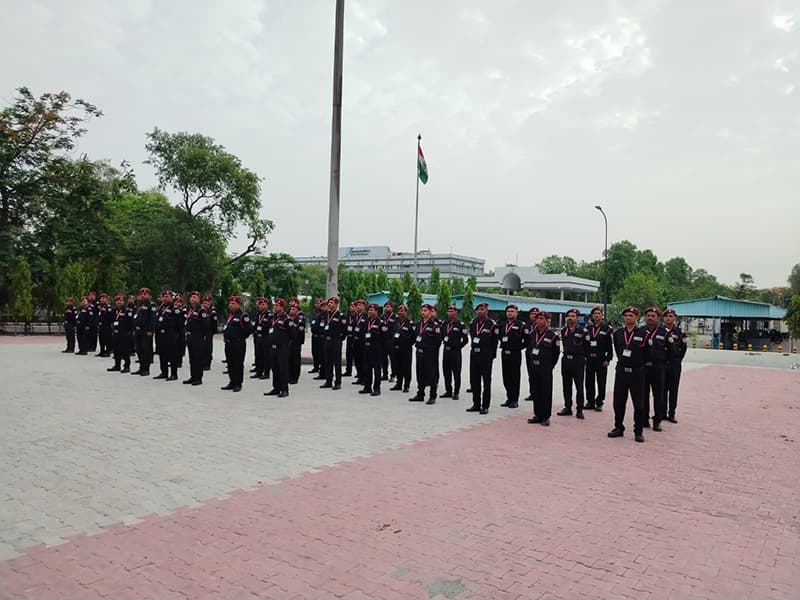
Step 1
Screening
Our screening and hiring practices are designed to produce a workforce better than our competitors'. Documents, references and police verification are checked before a recruit reaches training, not after a complaint.
Step 2
Training
Recruits are trained by retired JCOs and NCOs from the Army and the paramilitary forces, to the syllabus laid down under the Private Security Agencies (Regulation) Act.
Step 3
On-site instruction
Training continues at the client's premises with programmes written for that industry. A guard learns the post they will hold, with its own gates, registers and people.
Step 4
Supervision
A senior executive is assigned to each client. They attend your meetings, take your instructions and are reachable at any hour. Clients and employees have a single point of contact in ordinary times and in emergencies.
What a guard learns.
The syllabus is set by the PSARA rules and annexed to our licence. Ex-servicemen and former police complete at least 40 hours of classroom instruction and 16 hours of field training over seven working days. Everyone else completes at least 100 hours in the classroom and 60 in the field over twenty working days.
Our training centre in Bhopal is licensed by the Madhya Pradesh Controlling Authority (TRG No. 17). See the licence
- 1Conduct in public and correct wearing of uniform
- 2Physical fitness training
- 3Physical security of assets, buildings and personnel
- 4Fire fighting
- 5Crowd control
- 6Examining identity papers, passports and smart cards
- 7Identifying improvised explosive devices
- 8First aid
- 9Crisis response and disaster management
- 10Defensive driving
- 11Handling and operation of non-prohibited weapons
- 12Basic law: the right of private defence and lodging an FIR
- 13Badges of rank in the police and armed forces
- 14Use of security equipment and screening devices
- 15Leadership and management, for supervisors
Training, drill and duty.
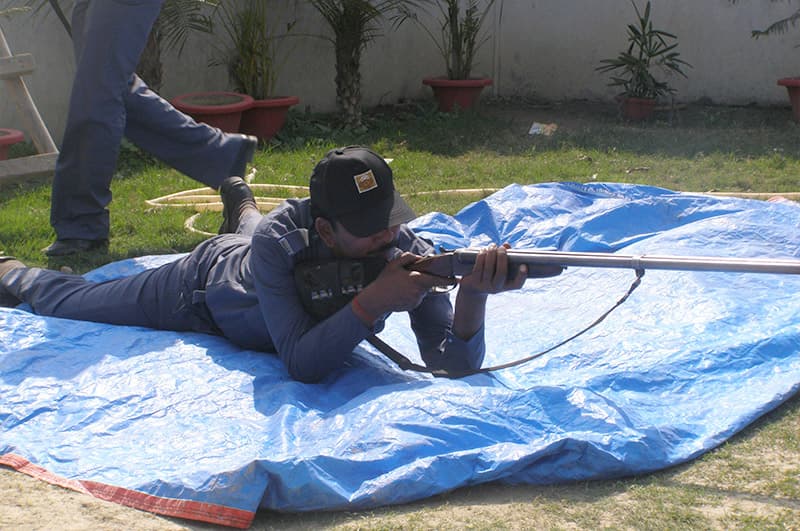 Weapons handling
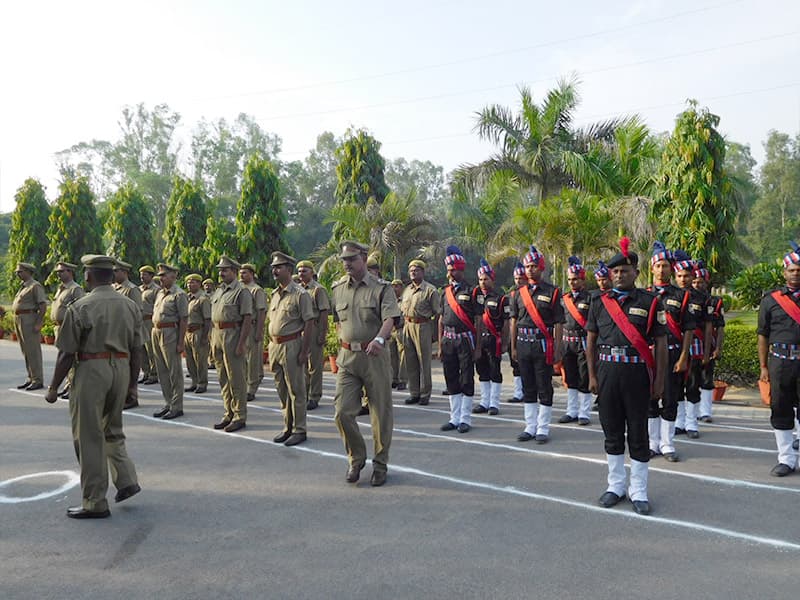 Parade inspection
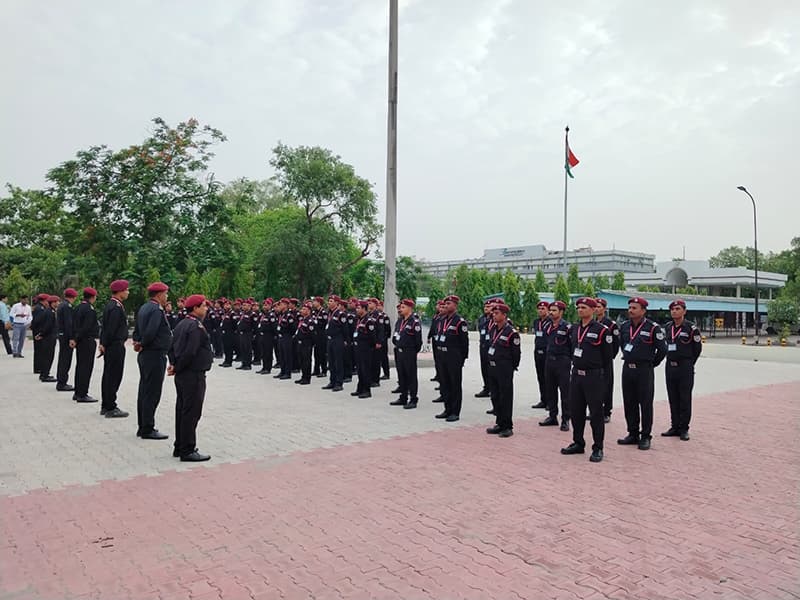 Drill
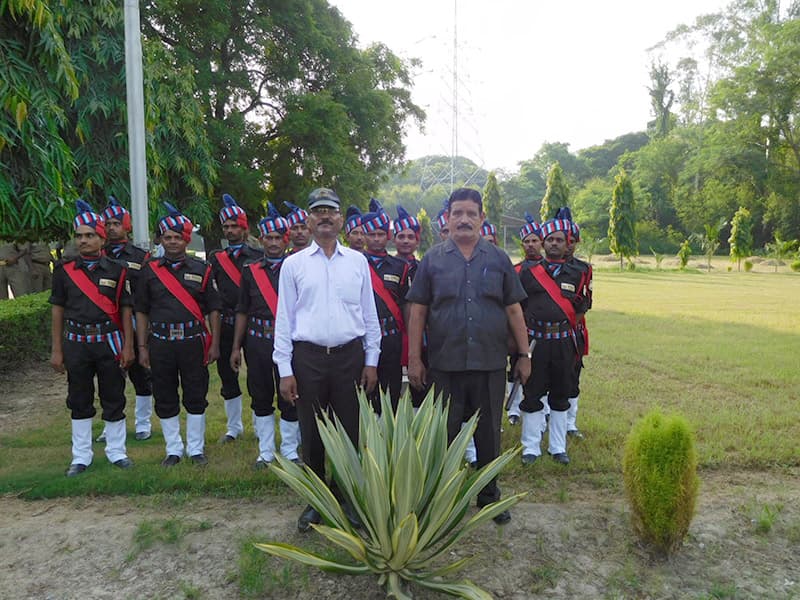 Guard of honour
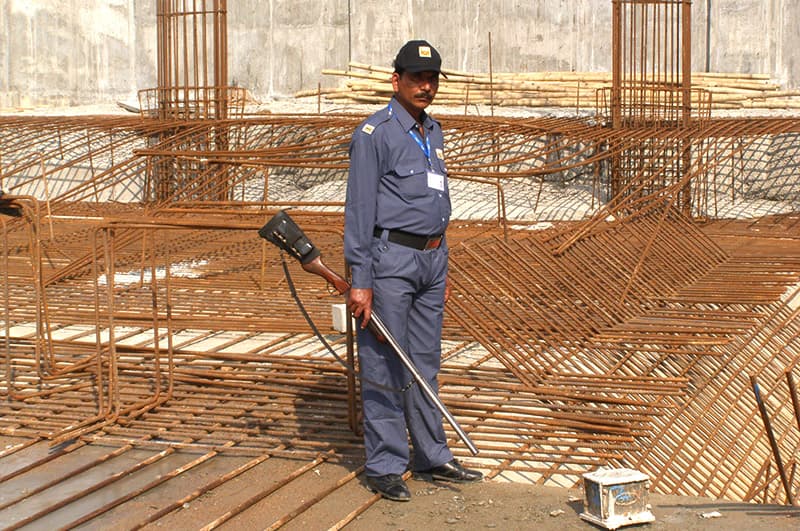 Site duty
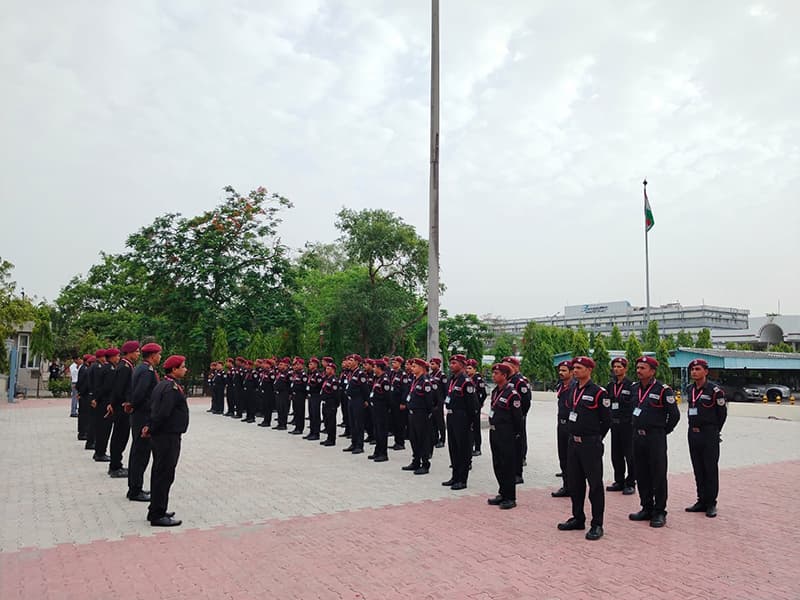 In formation
Leadership
The company is led by professionals drawn from the armed forces and the private security industry.
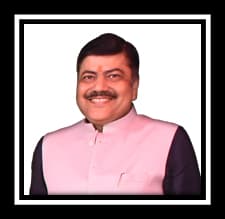
Sh. B.K. Mishra
Chairman & Managing Director
Leads the company's strategy, pairing a professionally trained guard force with modern monitoring and reporting for clients across northern and western India.
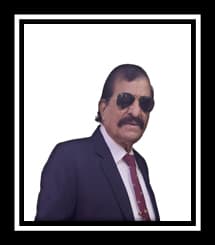
Sub. Maj. P.N. Shukla (Retd.)
Director
An Indian Army veteran with twenty years in leading roles in the security field, responsible for operations and client relationships across the country.
Col. R.S. Tripathi (Retd.)
Executive Director
Brings an Army officer's command experience to training standards and the supervision of deployed personnel.
We start with a survey of the premises and come back with a deployment plan and a costed proposal.
Tell us about the site